Curling Stone vs. Granite: Why Do They Cost £500+?
Authentic Olympic curling stones are crafted from granite found on a single, uninhabited Scottish island called Ailsa Craig. These stones use specific "Blue Hone" and "Common Green" granite types that are incredibly dense and shock-resistant, quarried and hand-polished to exacting standards. While a set costs thousands, the good news is you don’t need to buy your own to play at The Curling Club!
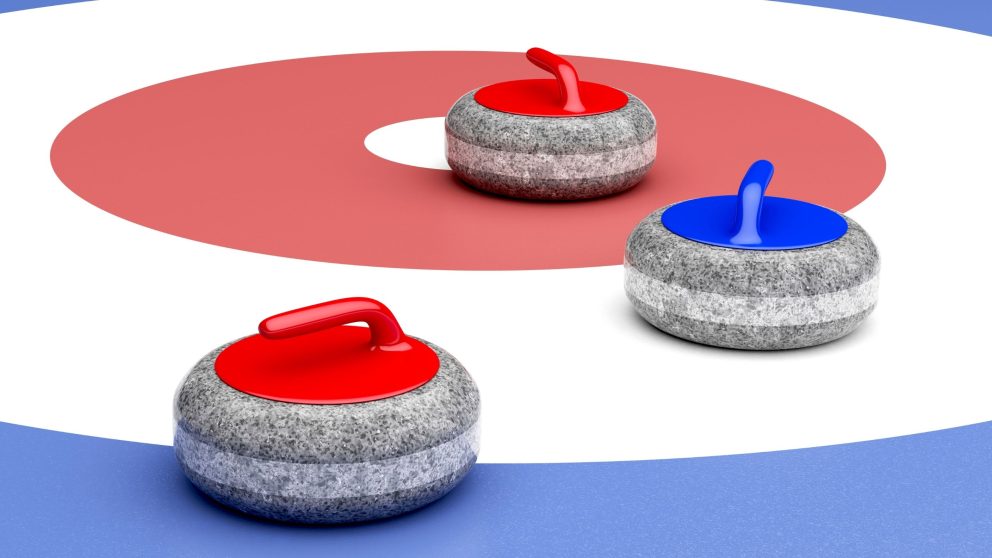
They look like heavy kettles, they weigh nearly 20kg (44lbs), and a full set of Olympic-quality stones costs more than a brand-new family car. Why are curling stones so expensive?
It isn’t just inflation—it comes down to geology, geography, and a surprising amount of technology.
1. The Holy Grail of Granite: Ailsa Craig
Almost every curling stone used in the Winter Olympics comes from a single, tiny, uninhabited island off the coast of Scotland called Ailsa Craig.
This volcanic plug produces two very specific types of granite that don’t exist in the same quality anywhere else on Earth:
-
Blue Hone Granite: Used for the “running band” (the bottom ring that touches the ice). It is incredibly dense and virtually waterproof. This is crucial because if the stone absorbed water, it would freeze, expand, and crack the rock.
-
Common Green Granite: Used for the “striking band” (the middle of the stone). It is uniquely shock-resistant, allowing the stones to smash into each other at high speeds without shattering.
Because Ailsa Craig is a wildlife reserve (famous for its puffins!), quarrying is rarely allowed. This scarcity drives the price up significantly.
2. It’s Not a “Flat” Rock (The Running Band)
A common misconception is that a curling stone is flat on the bottom, like a hockey puck. If you flipped one over, you would actually see it is concave (hollowed out).
The stone only touches the ice on a thin, circular ring called the Running Band, which is about 5-6mm wide.
-
Why does this matter? This tiny surface area concentrates the weight of the 44lb stone, creating the perfect amount of pressure to melt the ice slightly and allow for that signature glide. The width of this band is polished to the fraction of a millimeter—if it’s too wide, the stone is too slow; too narrow, and it’s uncontrollable.
3. The “Smart Handle” Technology
At the local club level, a stone might cost £500. But the stones you see on TV at the Olympics cost considerably more. Why? The handles.
In the professional game, the handles are fitted with high-tech “Eye on the Hog” sensors.
-
Touch Sensors: These detect if the player’s hand is still touching the handle.
-
Magnetic Strips: Buried in the ice at the “Hog Line” (the line where you must release the stone).
If the player fails to let go of the handle before the stone crosses the Hog Line, lights on the handle flash red, and the stone is disqualified. This technology prevents cheating, but it adds thousands of pounds to the cost of a full set.
Do I need steel-toe boots to play?
At the Olympics? Yes. A 44lb rock crushing your toe is a bad day.
At The Curling Club? No.
Experience the Thrill at The Curling Club
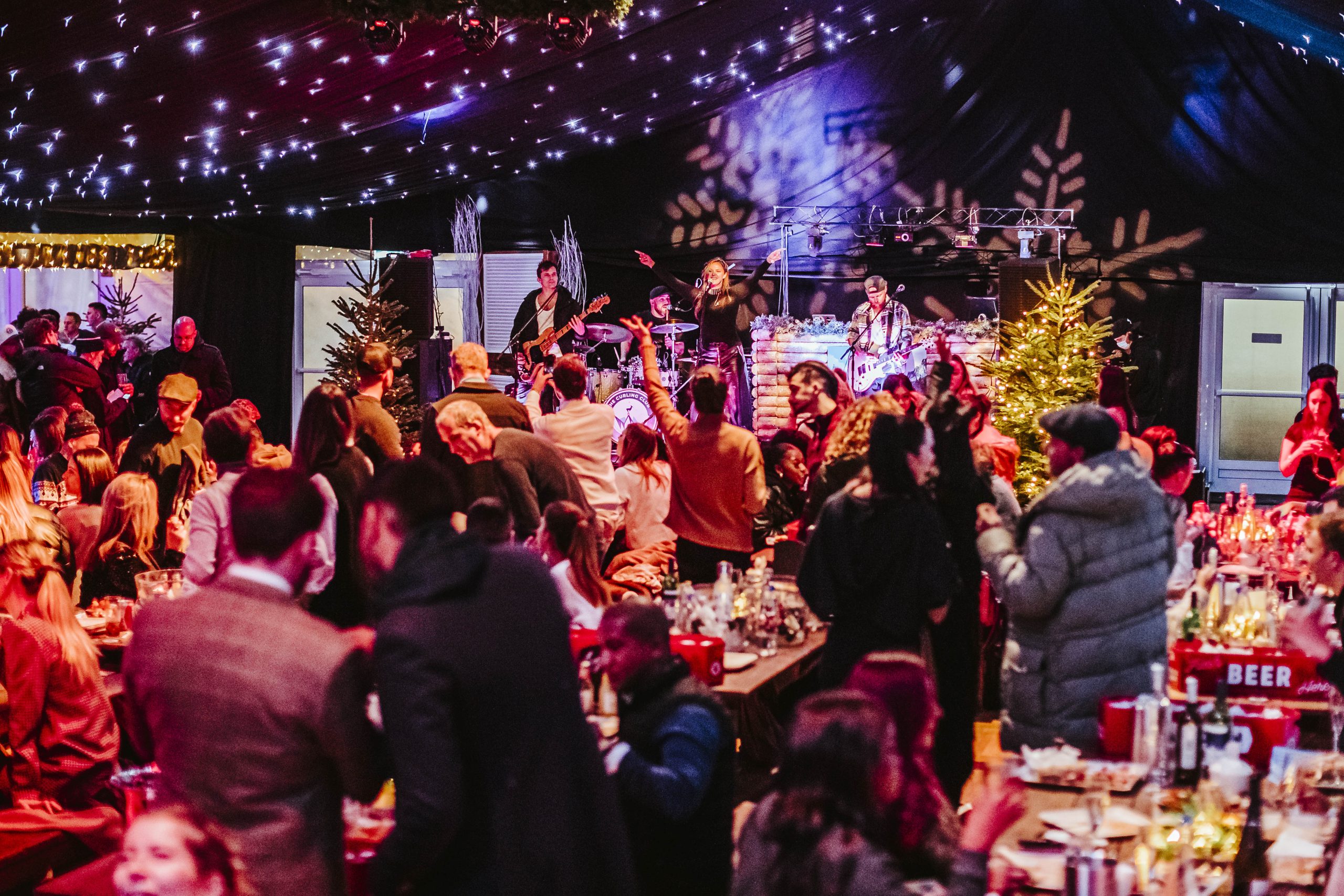
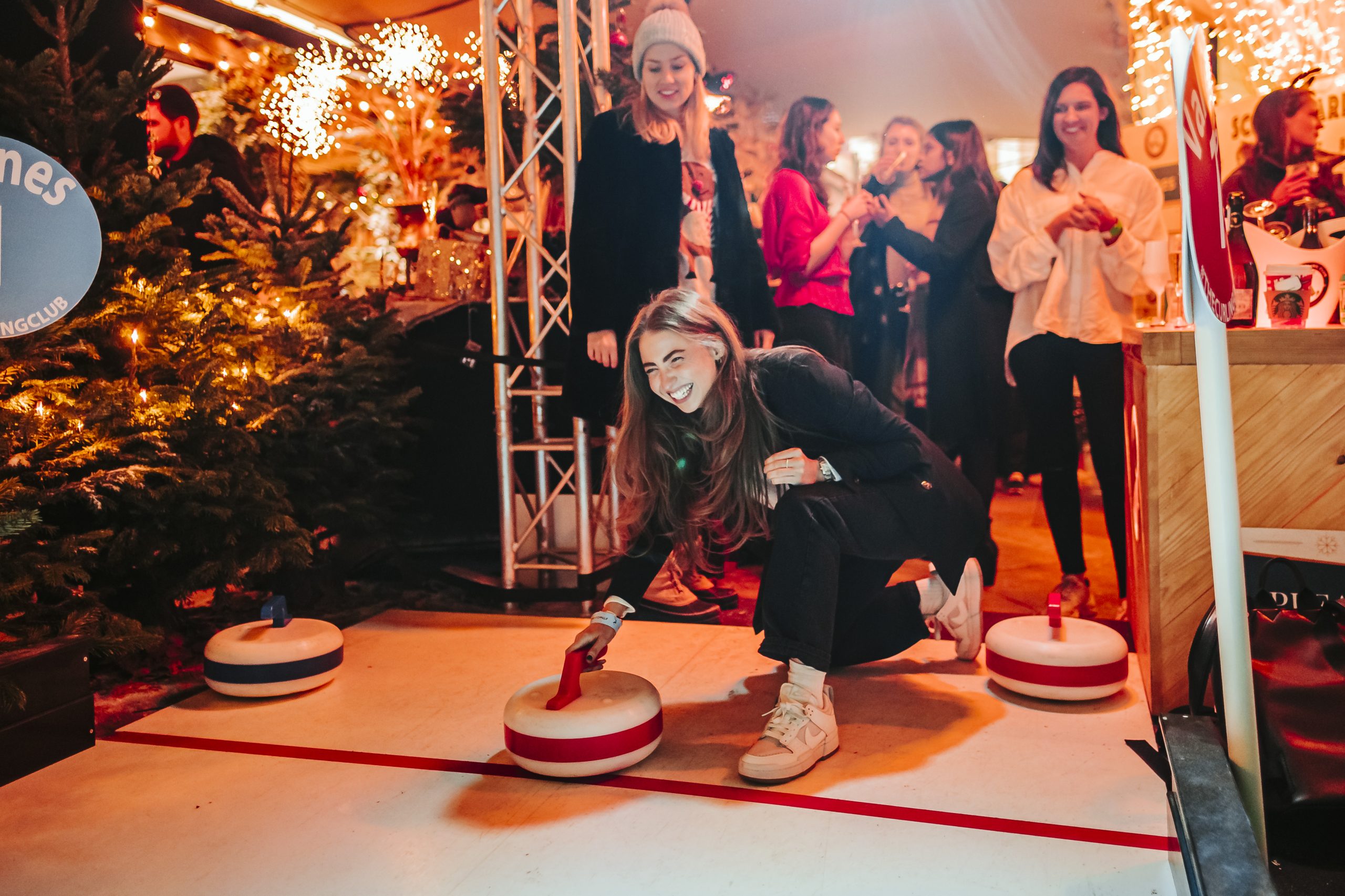
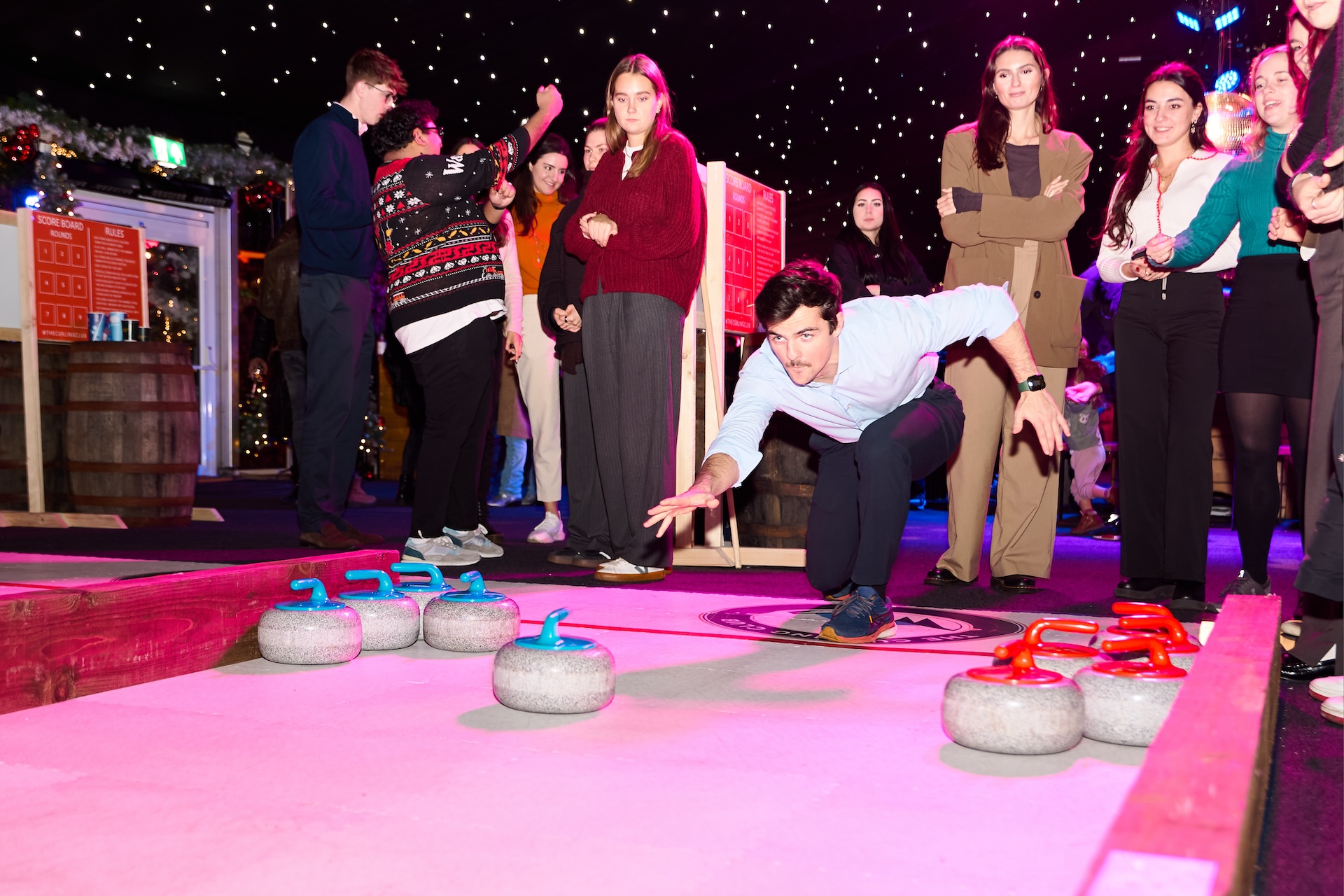
We use specially designed ice-free stones. They mimic the glide and curl of the Olympic granite but are lighter and safer for a social setting. This makes them perfect for a casual night out at our Aprés Ski Bar London or Aprés Ski Bar Manchester. Whether you are looking for a unique activity for Christmas in London or organising a large-scale Christmas in Manchester event, you won’t need steel-toe caps—just bring your game face!
Book NowHost Your Next Event With Us!
From birthdays to work parties and everything in between, our ice-free curling is the perfect activity for your next group event. It’s a unique, fun, and social way to celebrate any occasion.
Find out more